DesignUI/UXPhilosophy
The Minimalist Engineer: Less is More in UI
J
Joseph
Author
February 21, 2024
Published
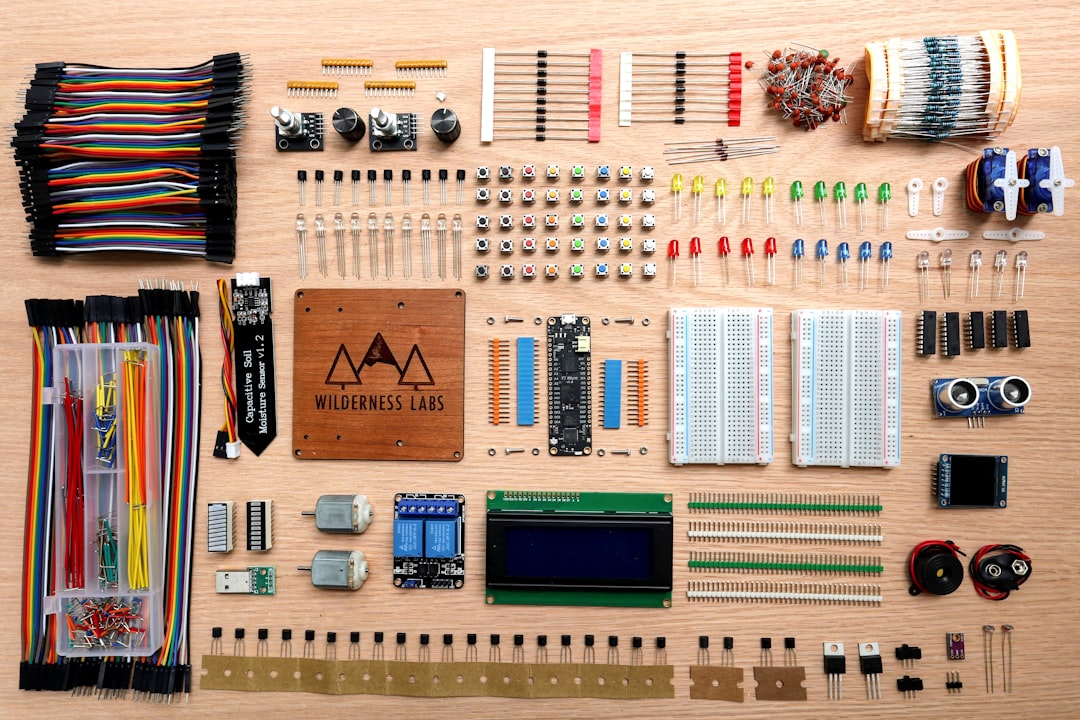
The Minimalist Engineer: Less is More in UI
In software engineering, our instinct is often to add: more features, more buttons, more configuration options. However, in UI/UX design, perfection is achieved not when there is nothing more to add, but when there is nothing left to take away.
The Problem of Cognitive Load
Every element you add to a screen consumes a fraction of the user's finite cognitive capacity. Too many choices lead to Decision Paralysis.
Core Principles of Minimalism:
- Whitespace as a Feature: Whitespace (or negative space) is not "empty" space; it is a tool for creating focus. It allows the user's eyes to rest and highlights the most important elements.
- Typography as Hierarchy: Use font weight, size, and color—rather than borders and boxes—to establish visual importance. Check out Refactoring UI for excellent practical examples.
- Progressive Disclosure: Hide advanced settings or rarely used features behind a "More Options" toggle. This keeps the interface clean for the 90% of users who only need the core functionality.
Minimalism isn't just about aesthetics; it's about reducing the friction between the user and their goal.